HMO Landlord Guide: Passing Fire Risk Assessments in Belfast & Lisburn
Managing a House in Multiple Occupation (HMO) across Belfast or Lisburn offers strong rental yields, but it comes with strict regulatory oversight. Whether you let student housing near Queen’s University, a professional house share in the Lisburn Road area, or multi-tenant properties in Lisburn city centre, compliance is non-negotiable.
Under Northern Ireland HMO licensing laws and the Fire Safety (Northern Ireland) Order 2006, every licensed HMO must have an up-to-date, property-specific Fire Risk Assessment (FRA).
When NIHMO (Northern Ireland HMO Unit) or local council officers inspect your property, an inadequate or missing assessment can stall your licence application, trigger enforcement notices, or prevent you from letting rooms.
Here is a practical guide to what council inspectors look for and how to ensure your property passes without delays.
Key Fire Safety Requirements for HMO Properties
Because HMOs house multiple unrelated tenants sharing kitchen or bathroom facilities, the fire risk profile is significantly higher than a standard single-family let. Council officers expect robust fire protections tailored to the exact layout of the property:
1. Fire Doors and Compartmentation
Every bedroom door and kitchen door leading onto an escape route must be a certified fire door (typically FD30 rated) fitted with intumescent seals, cold smoke seals, and an effective self-closing device. Compartmentation prevents smoke and flames from spreading into escape corridors while tenants evacuate.
2. Interlinked Fire Detection Systems
Standard battery-operated smoke alarms are not sufficient for HMO properties. You must have a mains-powered, interlinked fire alarm system (Grade D1/BS 5839-6 standards depending on property size) with detectors in bedrooms, common areas, and heat detectors in kitchens.
3. Emergency Lighting and Clear Escape Routes
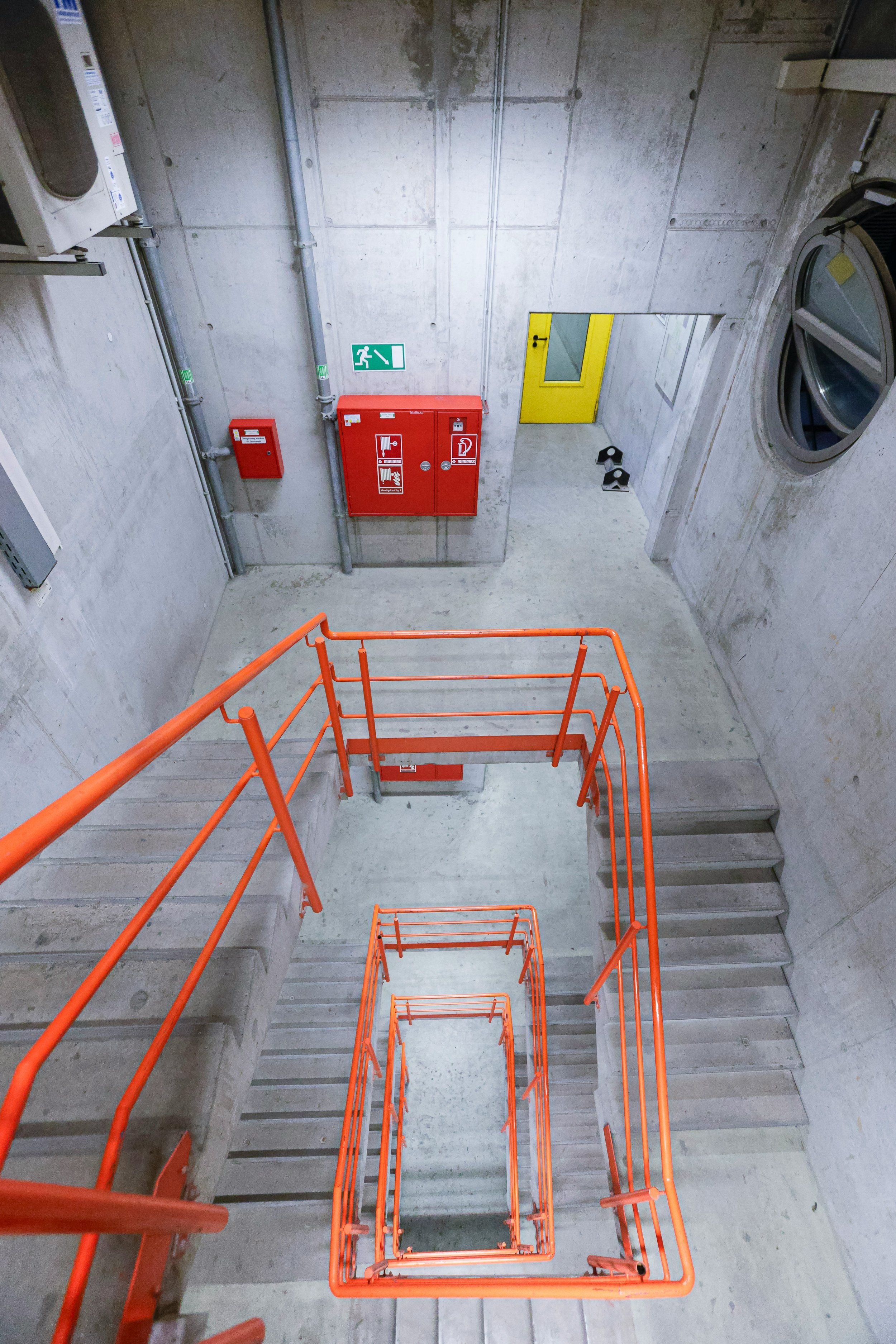
Hallways, landings, and stairwells must feature functional emergency lighting so tenants can navigate safely if power fails. Escape routes must remain completely clear of bikes, furniture, or tenant belongings at all times.
4. Fire Extinguishers and Blankets
Common kitchens require an appropriately located fire blanket and suitable fire extinguishers. Tenants must also be provided with clear fire safety guidance and emergency contact details upon moving in.
Avoid Common HMO Inspection Red Flags
During routine licensing renewals, council officers frequently flag small oversights that easily lead to failed inspections:
Unserviced Fire Equipment: Extinguishers or emergency light systems that have not had annual maintenance checks recorded in a logbook.
Damaged Door Closers: Self-closing mechanisms on bedroom fire doors that have been disconnected or fail to latch shut fully.
Outdated Layout Plans: An assessment that fails to reflect structural changes, converted attic rooms, or altered bedroom numbers.
Streamline Your HMO Licensing with Fire Safety Training NI
Getting your Fire Risk Assessment completed by an experienced, local professional ensures your documentation meets exact council criteria on the first pass, saving you time and money.
At Fire Safety Training NI, we work directly with private landlords, property management agencies, and investors across Belfast, Lisburn, and Greater Belfast to deliver accredited, hassle-free HMO Fire Risk Assessments.
Need an HMO Fire Risk Assessment in Belfast or Lisburn?
Give David Gillespie a call today at Fire Safety Training NI to get your property inspected and fully compliant.
Phone: 07718911122
Email: davygillespie@btinternet.com