Mid-Ulster is the industrial heartland of Northern Ireland. From heavy engineering plants and timber processors in Cookstown to distribution warehouses in Dungannon and manufacturing facilities in Magherafelt, the region powers much of our local economy.
However, operating an industrial or manufacturing site comes with a distinct set of severe fire hazards. Between heavy machinery, timber dust, flammable solvents, and extensive storage spaces, a single fire incident can prove devastating to machinery, stock, and human life.
Under the Fire Safety (Northern Ireland) Order 2006, industrial occupiers must maintain an up-to-date Fire Risk Assessment (FRA) tailored specifically to their daily site operations.
Here is a practical breakdown of how Mid-Ulster industrial businesses can stay compliant, satisfy insurers, and protect their workforce.
Key Fire Hazards in Industrial & Storage Facilities
Industrial environments present complex risks that go far beyond standard office fire safety:
1. Combustible Dusts and COSHH Materials
Woodworking shops, flour mills, and metal fabrication plants generate fine particulate dusts that create serious explosion and fire risks. Storing oils, solvents, or compressed gas cylinders subject to COSHH guidelines requires strict segregation, bunding, and clear warning signage.
2. High Fire Loads and Pallet Racking
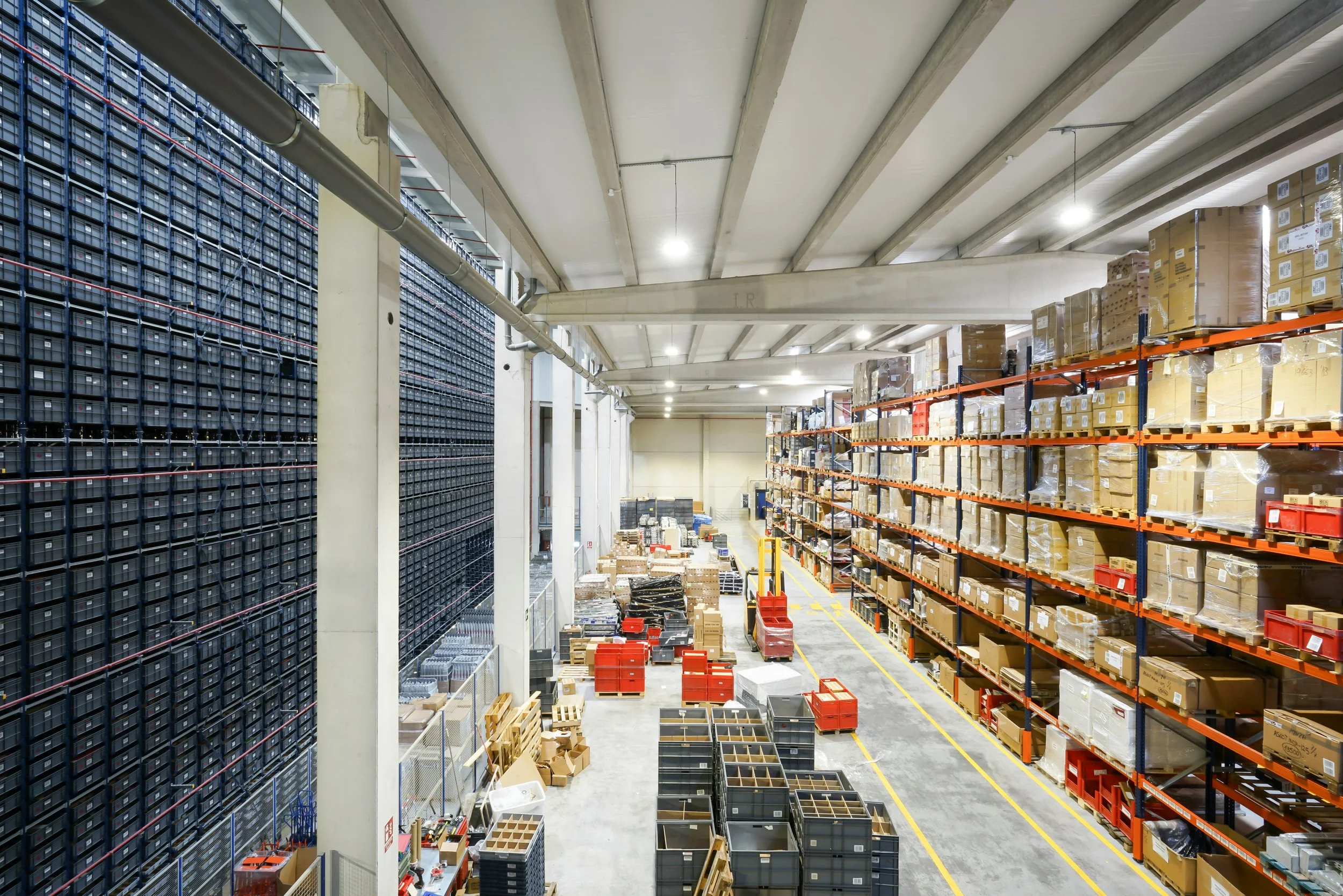
Warehouses packed with wooden pallets, shrink wrap, and cardboard packaging hold massive combustible loads. If fire breaks out, racking configurations can act as chimneys, accelerating vertical flame spread toward ceiling structures.
3. Hot Works and Industrial Machinery
Welding, grinding, cutting, and heat-treating operations are leading causes of workplace fires. Your assessment must account for formal Hot Work Permit systems, dedicated fire watches, and regular machinery maintenance schedules.
4. Evacuation Across Large Floor Areas
Navigating a noisy, multi-bay factory floor during an emergency requires clear, high-visibility exit routes, specialized alarm sounders or beacons, and clear access to final exit doors free from forklift obstructions.
Preparing for NIFRS Industrial Audits
Northern Ireland Fire & Rescue Service (NIFRS) inspectors regularly audit industrial hubs across Mid-Ulster. During an audit, officers look closely at:
Written Action Plans: Evidence that hazards identified in your assessment are actively being corrected.
Equipment Maintenance Logs: Up-to-date testing records for fire alarms, emergency lighting, hose reels, and specialized suppression systems.
Shift Warden Coverage: Trained Fire Wardens working on every shift pattern, including night shifts and skeleton weekend crews.
Local Expertise for Mid-Ulster Industrial Sites
An off-the-shelf template will not satisfy site inspectors or industrial insurers. You need a thorough, site-specific Fire Risk Assessment carried out by a assessor who understands manufacturing and industrial environments.
At Fire Safety Training NI, we work closely with factory managers, warehouse supervisors, and business owners across Cookstown, Dungannon, Magherafelt, and the wider Mid-Ulster area to deliver clear, practical, and fully accredited documentation.
Need an industrial Fire Risk Assessment in Mid-Ulster?
Contact David Gillespie today at Fire Safety Training NI to discuss your site layout and schedule an inspection.
Phone: 07718911122
Email: davygillespie@btinternet.com